
When most people think of a detection dog, they picture a quick search, a confident alert, and a job well done. What they do not see is the dedication, preparation, and partnership that make those moments possible. Detection dogs are highly skilled working professionals, trained through months and years of consistent effort, patience, and trust.
Behind every successful narcotic detection canine in Alberta or British Columbia is a dog that genuinely loves the work and a handler who understands how to guide that ability responsibly. This article takes you inside the life of a detection dog, from early training to real world challenges and the success stories that demonstrate why professional K9 detection remains unmatched.
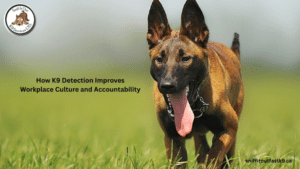
What Sets Detection Dogs Apart
Not every dog is suited for detection work. While many dogs have excellent noses, detection requires a specific combination of drive, focus, confidence, and adaptability. Detection dogs must be comfortable working in busy environments such as schools, workplaces, public venues, and private properties.
A strong detection candidate is curious, motivated by rewards, and able to problem solve independently. These dogs are not forced into the role. The best detection dogs view searching as a game. Finding a target odor is their reward, reinforced through positive training methods that build enthusiasm rather than stress.
This passion is what makes drug dog searching in Alberta and BC so effective when performed by a professional team.
The Training Process From Foundation to Field Work
Training a detection dog is a carefully structured process that prioritizes both skill development and well being.
Early Development and Confidence Building
Training often begins at a young age, but the focus is not immediately on detection. Early stages involve socialization, confidence building, obedience, and exposure to different surfaces, sounds, and environments. These experiences help dogs remain calm and focused later when working in unpredictable real world settings.
At this stage, handlers also begin developing a bond with the dog. Trust between dog and handler is essential and becomes the foundation for everything that follows.
Introducing Target Odors
Once a solid foundation is in place, scent work begins. Dogs are introduced to specific target odors and taught to associate those scents with a reward. Training relies entirely on positive reinforcement, ensuring the dog remains motivated and engaged.
For a narcotic detection canine in Alberta, this stage is critical. Dogs learn to search methodically, ignore distractions, and communicate clearly when a target odor is present. Accuracy is emphasized over speed, creating consistency and reliability.
Advanced Detection Training
As training progresses, scenarios become more complex. Dogs are challenged with new environments, varying hide locations, and real world distractions. This includes searching vehicles, rooms, bags, lockers, and outdoor areas.
Handlers are trained just as extensively. Learning to read subtle changes in a dog’s behavior is essential. Small shifts in posture, breathing, or focus often indicate that the dog is working through scent.
This advanced training is what allows narcotic dog searching in Alberta and BC to be conducted professionally and responsibly.
A Typical Day in the Life of a Detection Dog
A working detection dog thrives on routine balanced with variety. Each day includes short training sessions to reinforce skills, real world searches, rest periods, and time for play.
Detection dogs do not work continuously. Mental focus is just as demanding as physical activity, and proper rest ensures consistent performance. Handlers carefully monitor workload to maintain both effectiveness and welfare.
Whether performing drug dog searching in Alberta or supporting narcotic dog searching in BC, professional teams understand that a well rested dog is a reliable dog.
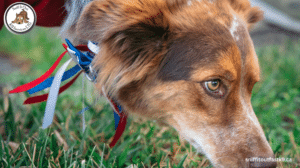
Challenges Detection Dogs Face
Detection work comes with unique challenges that require careful management.
Mental and Physical Fatigue
Scent detection is mentally intense. Dogs must process complex odor patterns while ignoring countless distractions. Without proper breaks and rotation, fatigue can impact performance. Professional teams prioritize balanced schedules to protect the dog’s health and accuracy.
Environmental Pressures
Detection dogs may work in loud, crowded, or unfamiliar environments. From busy schools to industrial facilities, the ability to remain calm and focused is essential. Training prepares dogs to handle these situations confidently, but handlers must always assess conditions and advocate for their dog.
Handler Responsibility and Ethics
A detection dog’s performance depends heavily on the handler. Rushed searches, misinterpreted signals, or pressure to produce results can undermine reliability. Ethical handling ensures that alerts are based solely on the dog’s trained response, maintaining credibility and trust.
Why Detection Dogs Continue to Outperform Technology
Despite advancements in detection technology, dogs remain one of the most effective tools available. Their noses can detect incredibly small amounts of odor, distinguish between similar scents, and adapt instantly to changing conditions.
Machines rely on calibration and controlled environments. Dogs rely on biology, instinct, and training. This is why professional drug dog searching in Alberta and narcotic dog searching in BC continue to be trusted across industries.
Real World Success Stories
Some of the most meaningful detection successes are never publicized. They involve prevention rather than reaction. Detection dogs regularly help stop substances from entering schools, workplaces, and events before problems arise.
These successes protect not only property and policies, but also people. A narcotic detection canine in Alberta is often part of a proactive approach that emphasizes safety and accountability rather than punishment.
Detection dogs also serve as a visible deterrent. Their presence alone can discourage risky behavior and reinforce expectations within a community.
The Bond Between Detection Dog and Handler
The relationship between a detection dog and handler is built through daily interaction, trust, and consistency. Handlers learn their dog’s personality, strengths, and limits. Dogs learn that their handler is a reliable partner who provides guidance and rewards.
This partnership is what transforms training into real world performance. It is also what makes professional narcotic dog searching in Alberta and BC dependable and repeatable.
Retirement and Life Beyond Work
Detection dogs eventually retire, often remaining with their handlers as companions. Retirement planning is an important part of responsible K9 programs. Dogs transition gradually into a slower pace of life after years of dedicated service.
A professional detection service values a dog’s entire lifespan, not just their working years.
Why Choosing a Professional Detection Service Matters
Not all detection services follow the same standards. Professional teams invest in ongoing training, proper certification, handler education, and canine welfare. This commitment ensures that results are accurate, ethical, and defensible.
When clients choose professional drug dog searching in Alberta or narcotic dog searching in BC, they are choosing reliability, transparency, and respect for both people and animals.
Conclusion
Detection dogs are more than skilled noses. They are dedicated working partners driven by purpose, play, and trust. Their success is the result of careful training, ethical handling, and a bond built over time.
Whether supporting drug dog searching in BC or providing narcotic detection services in Alberta, these dogs play a critical role in prevention, safety, and peace of mind. Their work may look simple from the outside, but behind every alert is a remarkable story of dedication and teamwork.