
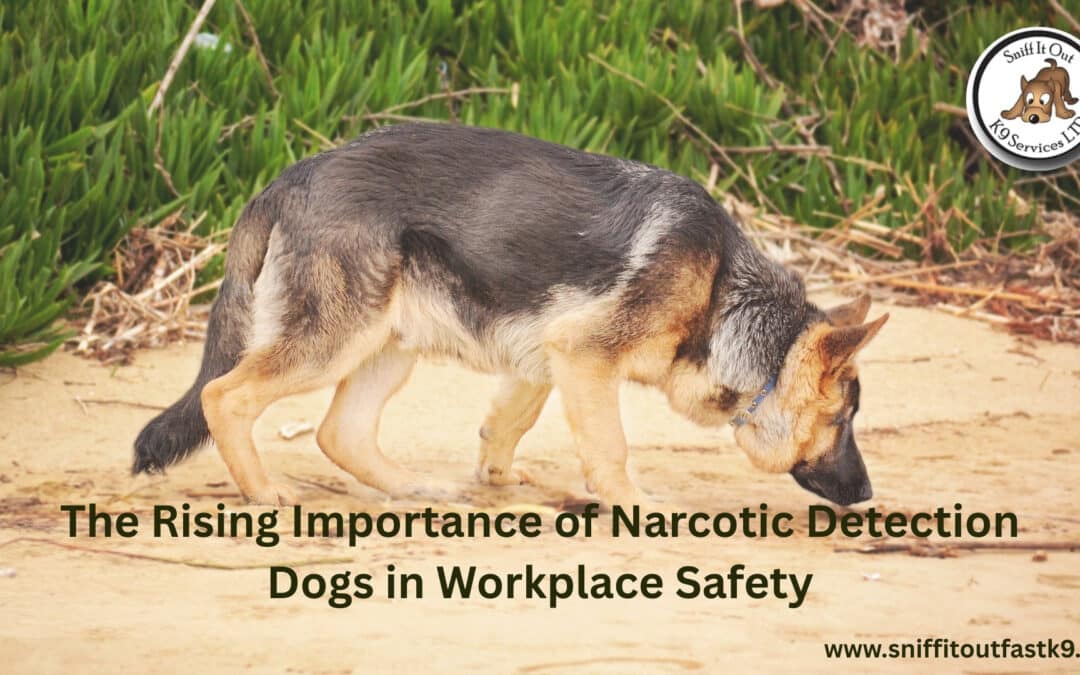
A few years ago, a safety officer at a northern Alberta construction camp told us something that has stuck ever since: “We didn’t realize we had a problem until someone got hurt.” That’s exactly what narcotic detection dogs are designed to prevent.
Workplace safety programs have grown more sophisticated across Canada, but substance-related risk often goes undetected until it becomes an incident. Detection dogs change that dynamic. They give employers the ability to identify risks proactively, before anyone is harmed.
Why Substance Risk Is Harder to Manage Than It Looks
Traditional safety measures — PPE, compliance training, hazard audits — address visible risks. Substance impairment isn’t always visible. A worker showing up impaired may pass a visual check, sign in normally, and operate heavy machinery before anyone notices something is wrong.
The consequences in high-risk environments — oil and gas, construction, mining, and transportation — can be severe. Beyond injuries, employers face insurance exposure, regulatory scrutiny, and the human cost of preventable accidents.
Random drug testing helps, but it has gaps. It identifies impairment after the fact or catches only those who happen to be selected. Narcotic detection dogs address what testing misses: the presence of substances in the workplace environment itself.
What Makes Canine Detection Effective
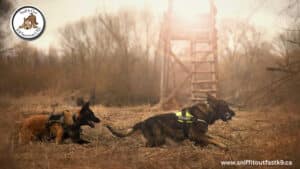
A trained detection dog can identify trace amounts of narcotics in lockers, vehicles, common areas, and personal bags with a level of sensitivity that no technology currently matches. The dog alerts to scent — not to individuals — which makes the process non-invasive and respectful of employee privacy.
Searches are typically conducted after hours or during scheduled sweeps and take a fraction of the time a manual inspection would require. For large industrial sites, this efficiency matters.
The deterrence effect is equally significant. Organizations that incorporate regular K9 inspections consistently report fewer substance-related incidents over time. When employees know a detection program exists, the risk calculation changes.
| “The goal is never to catch people. The goal is to create an environment where substances simply aren’t brought in.” — Paul Paquin, Lead K9 Handler |
Where K9 Detection Fits Within a Broader Safety Strategy
Narcotic detection dogs work best as part of a layered approach. A clear drug and alcohol policy provides the foundation. Communication ensures employees understand the purpose and process. Regular K9 sweeps add a proactive detection layer.
When a sweep results in a positive indication, the handler works with the employer to document findings and advise on next steps. The process is designed to support HR and safety teams, not replace their judgment.
Industries across western Canada — energy, construction, transportation, and public sector — have integrated K9 detection into annual safety programs. The consistency of that approach is what makes it effective.
Frequently Asked Questions
Are narcotic detection dogs legal to use in Canadian workplaces?
Yes. Canadian employers have the right to conduct narcotic detection searches as part of a workplace safety program, provided they have a clear drug and alcohol policy in place, communicate the program to employees, and use certified handlers. The dogs alert to scent in the environment, not to individuals, which is consistent with privacy obligations under Canadian law.
How long does a typical workplace sweep take?
It depends on the size of the facility. A standard office or small industrial space typically takes 30 to 60 minutes. Larger sites such as construction camps or multi-building facilities are usually completed in a half-day. Our team works efficiently to minimize operational disruption.
What substances can detection dogs identify?
Our dogs are trained to detect cocaine, methamphetamine, heroin, fentanyl, MDMA, and cannabis, among others. Training is regularly updated as new substances and formulations emerge.
Do employees need to be present during a sweep?
No. Most workplace sweeps are conducted in common areas, vehicles, and storage spaces during off-hours or shift changes. Employees are not present and are not searched individually.